
A cholesterol report contains several values, and focusing only on total cholesterol can give an incomplete picture. Cardiovascular assessment usually considers different lipid measurements together with age, blood pressure, diabetes, smoking history and other risk factors.
A typical lipid profile may include total cholesterol, LDL cholesterol, HDL cholesterol and triglycerides.
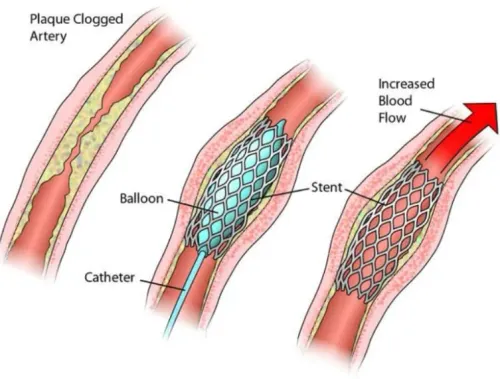
LDL cholesterol is particularly relevant because elevated levels can contribute to plaque formation within arteries over time. However, treatment decisions are not based on LDL numbers alone. A person's existing cardiovascular disease and overall risk profile can influence how aggressively cholesterol should be managed.
People in Pune, Maharashtra, may benefit from discussing their lipid results when they also have:
- Diabetes
- Hypertension
- Obesity
- Smoking history
- Kidney disease
- Previous cardiovascular disease
- Strong family history of premature heart problems
Lifestyle changes may form part of cholesterol management. These can include improving dietary quality, increasing appropriate physical activity, managing body weight and avoiding tobacco.
Medication may also be recommended for certain patients based on their cardiovascular risk rather than simply because one laboratory number is outside the reference range.
At The Heart Clinic in Pune, Dr. Satyajeet can evaluate lipid results alongside other cardiovascular factors to determine what the numbers mean for an individual patient.
A useful cholesterol discussion should answer three questions: Which values are abnormal? What is the person's overall cardiovascular risk? What steps are appropriate to reduce that risk?
Understanding these questions helps turn a laboratory report into a practical cardiovascular management plan rather than treating cholesterol as an isolated number.
Keywords