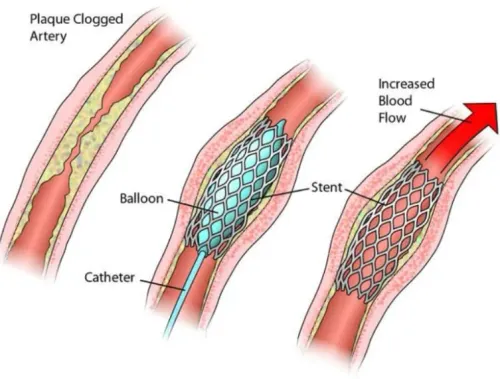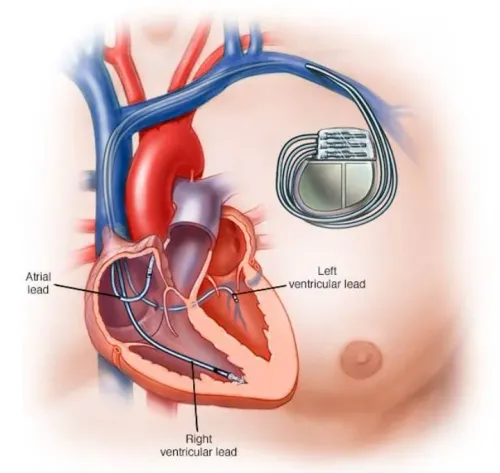

Heart health often doesn't receive enough attention until symptoms become difficult to ignore. However, many cardiovascular conditions develop gradually over time, making early evaluation one of the most effective ways to protect long-term health. This is where Cardiology plays a vital role. Cardiology is the branch of medicine dedicated to diagnosing, treating, and preventing disorders related to the heart and blood vessels. Whether someone has high blood pressure, chest discomfort, irregular heartbeat, or a family history of heart disease, consulting a qualified Cardiologist can help identify concerns before they become serious.
Many people assume that heart specialists are only needed after a heart attack. In reality, cardiologists manage a wide range of conditions, including hypertension, high cholesterol, heart rhythm disorders, valve diseases, heart failure, and congenital heart conditions. They also guide patients in reducing risk factors through lifestyle changes, medication, and regular monitoring.
Some common signs that should not be ignored include:
- Persistent chest pain or tightness
- Shortness of breath during routine activities
- Unexplained fatigue
- Dizziness or fainting episodes
- Rapid or irregular heartbeat
- Swelling in the legs or ankles
- A strong family history of heart disease
Not everyone experiencing these symptoms has a serious heart condition, but they deserve proper evaluation to determine the underlying cause.
Preventive care has become increasingly important, particularly in cities like Pune where demanding work schedules, sedentary lifestyles, and stress may contribute to cardiovascular risk. Regular health check-ups allow doctors to identify issues such as elevated blood pressure, diabetes, or cholesterol before they begin affecting heart function. Early diagnosis often leads to better treatment outcomes and helps reduce the likelihood of complications.
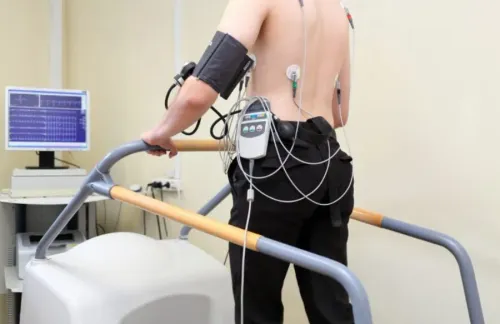
A consultation with a cardiologist usually begins with a detailed discussion about medical history, current symptoms, family history, lifestyle habits, and existing health conditions. Based on this assessment, the doctor may recommend diagnostic tests such as an ECG, echocardiogram, stress test, or blood investigations to obtain a clearer picture of heart health. These evaluations help create a treatment plan tailored to the individual's needs rather than relying on a one-size-fits-all approach.
At The Heart Clinic, Dr. Satyajeet focuses on evidence-based cardiac care that emphasizes early detection, preventive strategies, and personalized treatment. Rather than waiting for symptoms to worsen, patients are encouraged to understand their cardiovascular risk factors and take proactive steps toward maintaining heart health.
Healthy habits continue to be the foundation of good cardiovascular care. Maintaining a balanced diet, exercising regularly, avoiding tobacco, limiting alcohol consumption, managing stress, and getting adequate sleep all contribute significantly to reducing the risk of heart disease.
Understanding what cardiology involves empowers individuals to make informed healthcare decisions. Seeking timely advice from a qualified cardiologist is not only important during emergencies but also plays a valuable role in preserving heart health for years to come.
Keywords