
Heart health depends on more than one blood-pressure reading or a single test; it includes risk factors, symptoms, daily habits, family history and timely specialist care. You will be able to recognise emergencies, choose the right type of clinician, prepare for a useful consultation and compare cardiology options in Aundh and Pune with greater confidence.
Key takeaways
- Call emergency services for severe chest pressure, breathlessness, fainting or sudden weakness.
- Compare cardiologists by expertise, diagnostic access, communication and continuity of follow-up.
- Bring medication lists, previous reports, home readings and symptom timelines to your consultation.
- Track blood pressure, LDL cholesterol, blood sugar, weight, smoking, exercise and sleep over time.
What Heart Health Includes—and When Symptoms Need Emergency Care
Heart health means tracking more than symptoms: blood pressure, LDL cholesterol, blood sugar, weight, smoking, exercise, sleep, diet, family history and ongoing stress. Record readings and discuss trends with a clinician; control often requires lifestyle changes and prescribed treatment. Cardiology Treatment in Pune should match the problem, not a generic test package.
Treat chest pressure, tightness, squeezing or pain as an emergency when it comes with breathlessness, sweating, nausea, fainting, or pain in the arm, back, neck, jaw or upper abdomen. Call emergency services immediately rather than booking a routine appointment, and do not drive yourself when emergency transport is available.
A normal resting ECG does not rule out a heart attack; suspected acute coronary syndrome needs clinical assessment and serial high-sensitivity troponin tests.
- Call emergency services for sudden facial drooping, arm weakness or speech difficulty—possible stroke. Do not self-drive.
- Arrange outpatient care for stable, mild symptoms without red flags, but seek urgent help if they become new, severe, prolonged or worsening.
- Monitor smoking, activity, sleep, food quality, weight and stress alongside blood pressure, cholesterol and blood sugar.
- Tell the clinician about early heart disease in parents or siblings, which can change screening and risk assessment.
How to Choose the Right Cardiologist in Aundh or Pune
Choose based on urgency and the suspected problem, not the first Cardiology Near Me result.
| Option | Best starting point | When it applies |
|---|---|---|
| Primary-care doctor | Prevention and common conditions | Blood-pressure, cholesterol, diabetes, smoking-risk review, or referral |
| General cardiologist | Broad heart assessment | Persistent symptoms, suspected coronary or valve disease, abnormal ECG, or unclear diagnosis |
| Emergency department | Immediate assessment | Chest pressure, breathlessness, fainting, sudden weakness, or severe palpitations |
| Subspecialist | Focused expertise | Rhythm, blocked arteries, or heart-failure management |
An electrophysiologist evaluates recurrent palpitations, fainting, conduction disease and suspected arrhythmias. An interventional cardiologist manages catheter-based diagnosis and treatments such as angioplasty. A heart-failure specialist helps when breathlessness, swelling, reduced pumping function or repeated admissions need complex management.
Before choosing a Cardiology Doctor in Pune, verify these points:
- Confirm the doctor’s medical qualification and registration in the National Medical Commission’s Indian Medical Register.
- Ask how often they manage your suspected condition and which tests they interpret.
- Check hospital or emergency affiliations, ECG and imaging access, referral arrangements and follow-up after results.
- Confirm language, appointment availability, accessibility, parking, report copies and communication channels.
Compare travel time with continuity of care: a nearby clinic is useful for follow-up, but distance, star ratings and search ranking cannot replace qualified care, diagnostic access and a clear plan.
How to Prepare for a Consultation and Understand the Tests You May Be Offered
Bring a dated symptom timeline, including triggers, duration and severity, plus:
- Medicine and supplement names with doses
- Allergies and reactions
- Family history of early heart disease or sudden death
- Smoking history
- Home blood-pressure readings, with dates and times
- Previous reports and the actual ECG or scan images
A Cardiology Doctor in Pune will take your history, examine you, check pulse and blood pressure, and decide whether testing answers a specific question. Cardiology Treatment in Pune should follow that working diagnosis, not a generic test package.
| Test | Purpose and preparation | Duration, limits and follow-up |
|---|---|---|
| Resting ECG | Records electrical activity; no fasting, remove upper-body clothing | About 5–10 minutes; may miss intermittent problems; review is often immediate |
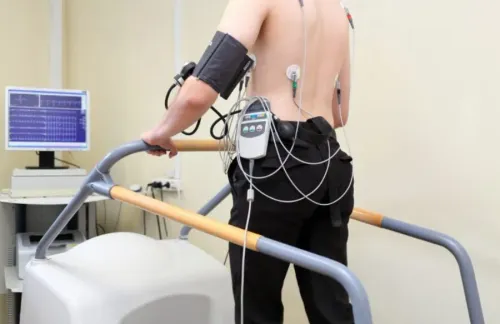
| Exercise stress test | Records ECG and symptoms during exertion; wear walking shoes, avoid a heavy meal | About 30–45 minutes; unsuitable for some patients and not always the best coronary test; discuss results afterward |
| Ambulatory monitor | Records rhythm during daily life; attach electrodes or a patch and keep a symptom diary | 24 hours to weeks; a short recording can miss episodes; return it for analysis |
| 2D echocardiogram | Uses ultrasound to assess heart structure, valves and motion; no fasting | About 20–45 minutes; does not directly show electrical activity or every artery blockage; clinician explains findings and follow-up |
An abnormal result supports a diagnosis but does not independently determine treatment; symptoms, examination and risk still matter.
Managing Blood Pressure and Risk Over the Long Term
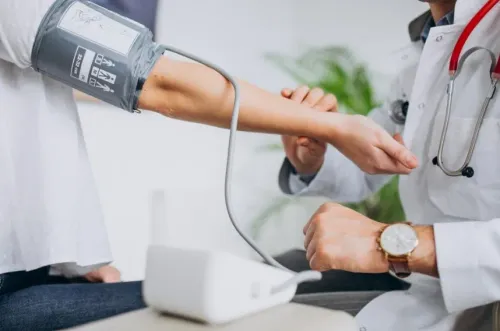
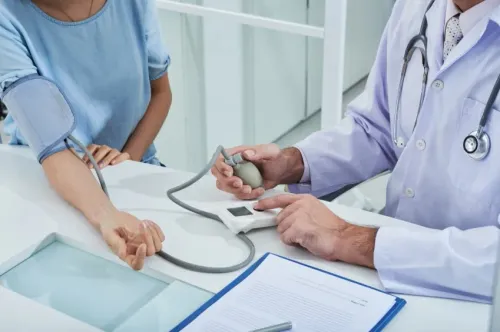
Use a validated upper-arm cuff with the correct size. Rest seated for five minutes, with feet supported and the arm at heart level. Take two readings one minute apart; record the time and medication taken. One reading is not a diagnosis.
Repeated home or ambulatory readings distinguish white-coat hypertension, high in clinic but normal outside, from masked hypertension, normal in clinic but high outside. Very high pressure with chest pain, breathlessness, weakness, confusion or severe headache needs urgent assessment; call emergency services rather than driving.
- Take medicines as prescribed; report side effects and change doses only with the prescriber.
- Check kidney function, eyes and cardiovascular risk; manage cholesterol and diabetes, including indicated medication.
- Stop smoking, stay active, sleep regularly, eat less salt and processed food, and address sustained stress.
- A Cardiology Near Me search should provide follow-up, not just a prescription. Cardiac rehabilitation after selected heart attacks, revascularisation or heart-failure admissions combines supervised exercise, education, nutrition and medication support.
| Group | Tailored follow-up |
|---|---|
| Diabetes or kidney disease | Closer pressure, sugar and kidney checks |
| Previous heart disease | Secondary prevention and rehabilitation |
| Strong family history | Earlier risk assessment |
| Pregnancy | Pregnancy-specific targets and medicines |
| Older adults | Check standing pressure and falls |
| Athletes | Interpret readings with training context |
When Monitoring, Angiography or an Invasive Procedure Is the Right Next Step
A normal office ECG between episodes does not exclude intermittent arrhythmia. Choose monitoring by episode frequency and risk, and record symptoms, timing, activity and medicines in a diary.
| Option | Best for | Duration and practical points |
|---|---|---|
| Holter | Daily symptoms | 24–48 hours; keep electrodes attached, limit bathing and vigorous activity as instructed. |
| Patch | Symptoms every few days | Several days to two weeks; follow skin-care instructions and confirm whether showering is allowed. |
| Event monitor | Less frequent episodes | Weeks; activate it during symptoms and maintain the diary. |
| Implantable loop recorder | Rare, unexplained fainting or high-risk episodes | Months to years under the skin; normal short recordings would miss these events. |
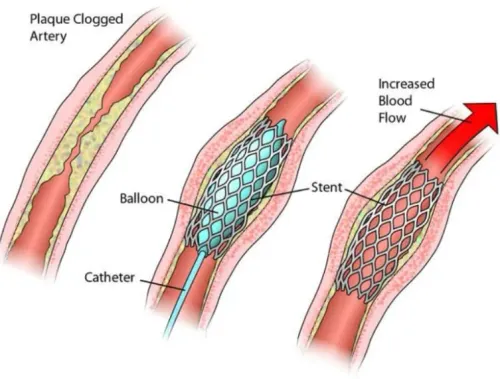
A diagnostic coronary angiogram threads a catheter through an artery, injects contrast and uses X-ray imaging. Angioplasty is treatment, often involving balloon dilation and a stent, that may follow the angiogram; discuss fasting, allergies, kidney function, contrast discomfort and recovery.
For stable disease, medicines, exercise, smoking cessation and risk-factor control may be safer than intervention. Coronary CT angiography or stress imaging can clarify diagnosis; planned PCI, emergency PCI or CABG depends on anatomy, symptoms and urgency.
- What is the diagnosis, expected benefit, alternative, urgency and recovery plan?
- What are the risks of bleeding, artery damage, contrast-related kidney injury, restenosis and stent thrombosis?
- How experienced is the operator, what facility backup exists, and when can you drive, work and start cardiac rehabilitation?
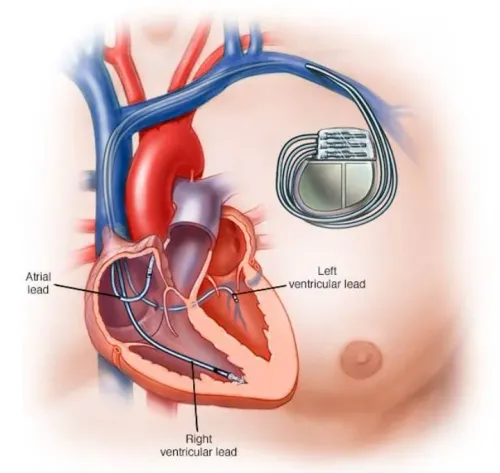
Confirm antiplatelet duration. A pacemaker treats slow rhythms; an ICD can terminate dangerous fast rhythms. Ask about wound care, device checks and urgent help for chest pain, fainting, severe breathlessness, fever, bleeding or a swollen wound. A clear Cardiology Treatment in Pune plan should specify follow-up.
How to Compare a Cardiology Clinic and Build Continuity of Care in Aundh
Treat a Cardiology Near Me result as a shortlist, not a decision. For a Cardiology Doctor in Pune, verify registration in the National Medical Commission’s Indian Medical Register and compare experience with your suspected problem, travel time and continuity.
The Heart Clinic - Dr. Satyajeet - 08048066834 is one Aundh option to evaluate by the same checklist.
| Check | Ask | Compare |
|---|---|---|
| Registration and experience | Is the doctor registered, and how often do they manage this condition? | Credentials and relevant experience, not star ratings |
| Access and testing | How soon are appointments available? Are ECG and needed imaging available? | Appointment timing, travel, parking and accessibility |
| Safety and coordination | Who reviews abnormal findings? What emergency instructions apply? | Referral links with your family doctor or hospital |
| Records and costs | Will I receive report copies and images? Is billing itemised? | Communication after results and language support |
| Continuity and choice | How is follow-up scheduled? What is the second-opinion policy? | Stable symptoms plus uncertain diagnosis or invasive-procedure benefit warrants another opinion |
Ask how the clinic coordinates referrals and hospital care before you need it. Carry prior ECGs, reports, images, medicines and allergies.
Related services
2D Echo 2D Echocardiography or 2D Echo of heart is a test in which ultrasound technique is used to take pictures of heart. View service → |
ECG ECG Treatments in Aundh, Baner, Pune Echocardiography is a test that uses sound waves to produce live images of your heart. The image is an echocardiogram. View service → |
Frequently asked questions
Which heart symptoms need emergency care?
Seek emergency help for severe or persistent chest pressure, breathlessness, fainting, sudden weakness or other rapidly worsening symptoms rather than waiting for a routine appointment.
How should you choose a cardiologist in Aundh or Pune?
Compare the doctor’s relevant expertise, consultation approach, access to needed tests, explanation of results and ability to provide ongoing follow-up.
What should you bring to a cardiology consultation?
Bring your medication and supplement list, previous test reports, family history, home blood-pressure readings and a timeline of symptoms.
When are monitoring, angiography or an invasive procedure considered?
The next step depends on symptoms, examination findings, risk factors and test results. Ask what question each test or procedure will answer, its risks and alternatives.
Related services
Hypertension Treatment Hypertension, or high blood pressure, is dangerous because it can lead to strokes, heart attacks, heart failure, or kidney disease. View service → |
Coronary Angioplasty A coronary angioplasty is a procedure used to widen blocked or narrowed coronary arteries (the main blood vessels supplying the heart). View service → |
Angioplasty and Stent placement Angioplasty and Stent placement Angioplasty and stent placement are common procedures to open arteries in the heart that are clogged. View service → |
Holter Monitor If your heart seems to skip a beat, race, or work a bit too slow, you could have a condition known as arrhythmia. View service → |
Keywords