
Not every heart condition requires open-heart surgery. Interventional cardiology uses catheter-based techniques to diagnose and treat selected cardiovascular problems through minimally invasive approaches.
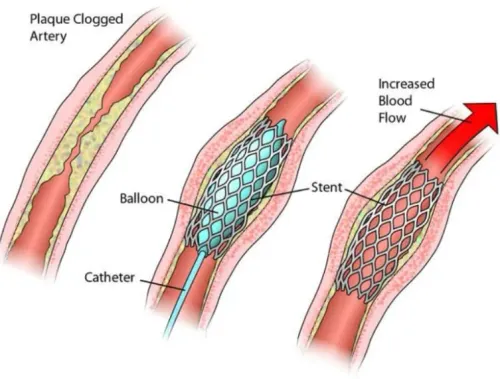
One of its most familiar applications is the treatment of narrowed or blocked coronary arteries. Depending on the patient's condition, coronary angiography may be used to identify significant narrowing, while angioplasty and stent placement may be considered when clinically appropriate.
Patients may be evaluated for interventional treatment when they have:
- Symptoms suggestive of reduced blood flow to the heart
- Significant findings on cardiac investigations
- Acute coronary syndromes
- Certain coronary artery blockages
- Selected structural heart conditions
The decision is not based on symptoms alone. Doctors consider the location and severity of disease, heart function, medical history, associated illnesses and whether medication, intervention or surgery offers the appropriate treatment strategy.
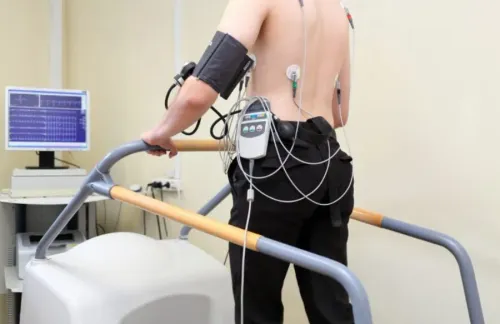
For patients in Pune, Maharashtra, understanding these differences is particularly useful after an abnormal stress test, coronary CT result or angiogram.
The Heart Clinic provides cardiovascular assessment under Dr. Satyajeet, helping patients understand their findings and the next steps that may be required.
Catheter-based treatment can offer advantages for appropriately selected patients, including smaller access sites and potentially shorter recovery compared with open surgical procedures. However, these benefits do not mean intervention is automatically preferable for every coronary problem.
The key question is not simply whether angioplasty is possible. It is whether an interventional procedure is clinically appropriate for the individual condition and likely to provide meaningful benefit within the overall treatment plan.
Keywords