A stent procedure involves more than opening a narrowed artery: you need to understand access through the wrist or groin, medication decisions, discharge planning and long-term prevention. By the end, you will know what to ask before angioplasty, what recovery requires and which symptoms demand emergency care.
Key takeaways
- Take prescribed antiplatelet medicines exactly as directed after stent placement.
- Keep the wrist or groin puncture site clean, dry, and monitored.
- Ask how PCI, medicines, bypass surgery, and no procedure compare for you.
- Confirm stent type, hospital charges, follow-up, and recovery restrictions before admission.
What happens during stent placement, and why choose a drug-eluting stent?
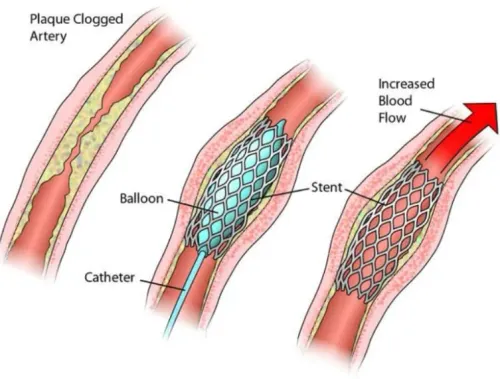
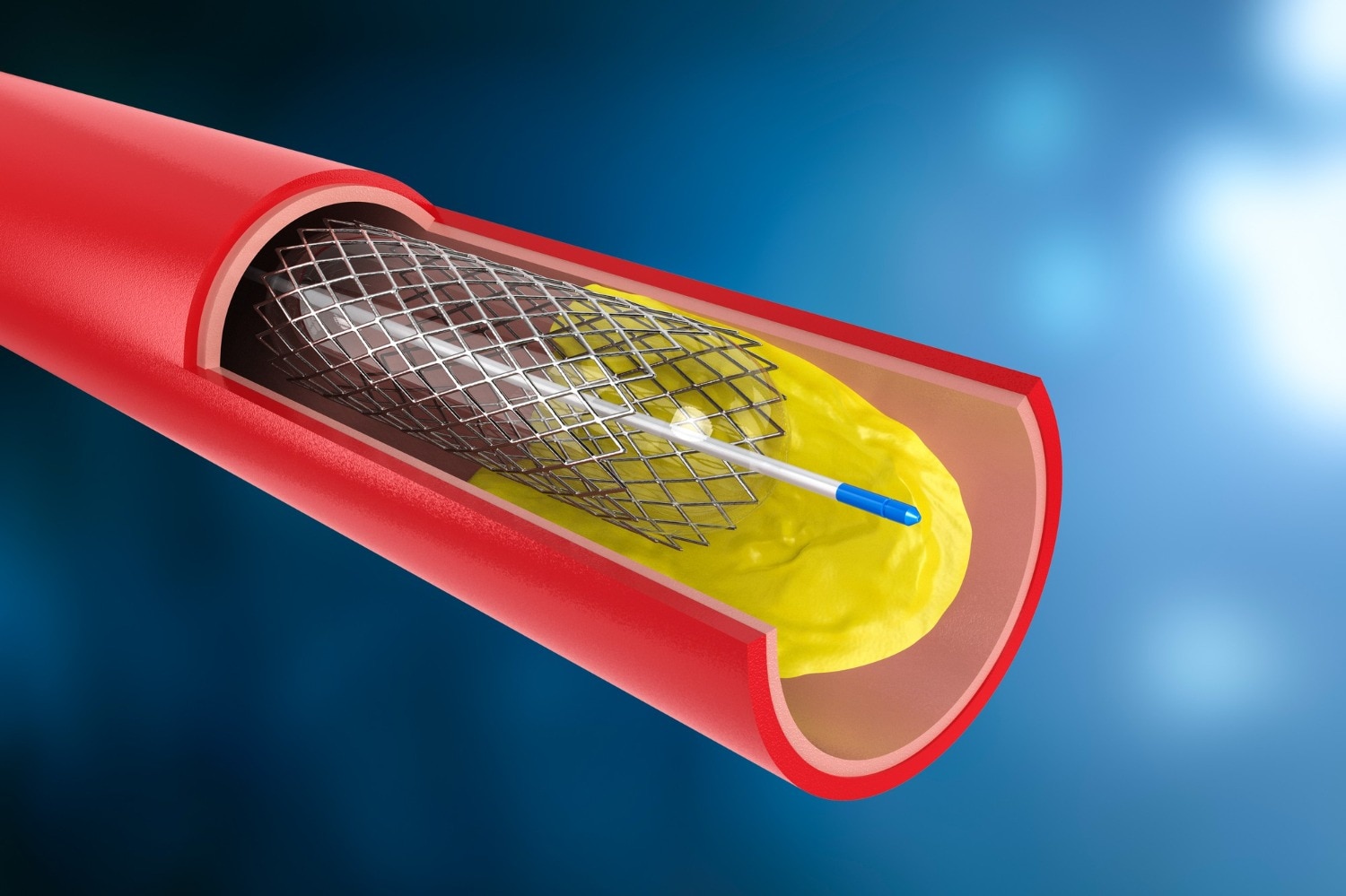
Stent placement opens a narrowed coronary artery by guiding a catheter from the wrist or groin to the heart. During angioplasty stent placement in Pune, the team numbs the entry site with local anaesthetic; you remain awake, with medication for relaxation when needed.
- Radial access enters through the wrist and is usually preferred when feasible because it lowers access-site bleeding and vascular complications.
- Femoral access enters through the groin and remains useful for certain anatomies, emergencies, or procedures requiring larger devices.
- X-ray guidance and contrast dye direct a thin catheter through the artery to the coronary narrowing.
- A balloon at the catheter’s tip inflates briefly, pressing plaque outward and widening the passage.
- A stent mounted on the balloon expands against the artery wall and stays there as a scaffold.
- The balloon, guidewire and catheter come out; the wrist or groin entry is sealed and monitored.
Balloon angioplasty alone leaves no support inside the artery, so the vessel can recoil or renarrow. A drug-eluting stent releases medicine that reduces tissue growth and restenosis.
| Option | What it does | Why it is selected |
|---|---|---|
| Balloon angioplasty alone | Widens the narrowing temporarily | Suitable only in selected situations |
| Drug-eluting stent | Scaffolds the artery and releases medicine | Favourable artery size, longer lesion, plaque pattern, or higher restenosis risk |
A stent treats the selected narrowing, not atherosclerosis elsewhere. Smoking, cholesterol, blood pressure and diabetes still require treatment.
How do doctors decide between PCI, medicines, bypass surgery and no procedure?
PCI is not automatically the best answer to a coronary blockage. Doctors weigh your symptoms, objective evidence of reduced blood flow or ischaemia, artery anatomy, emergency status, diabetes, surgical risk and your preference.
| Option | What it means | When it may fit |
|---|---|---|
| PCI | Balloon treatment with a stent | A focal, reachable narrowing causing symptoms or ischaemia, especially during an emergency heart attack |
| Medicines | Anti-anginal and preventive treatment plus risk-factor control | Symptoms and predicted risk remain controllable without exposing you to procedural risk |
| CABG | Bypass surgery around narrowed arteries | Selected left-main, multivessel, diffuse or complex disease, particularly when diabetes or anatomy makes long-term surgical results better |
| No procedure | Monitoring with prevention and follow-up | A narrowing is not causing ischaemia, symptoms are absent, or intervention offers little added benefit |
A heart-team discussion should compare benefits, bleeding, stroke, kidney and repeat-procedure risks, recovery time and alternatives. It should not be driven by an advertised package price. Ask how your anatomy changes the recommendation.
When comparing an angioplasty stent hospital in Pune, ask whether its catheterisation laboratory runs around the clock, experienced interventional cardiologists are available, and coronary-care or ICU beds are open. Confirm rapid access to blood products and emergency bypass surgery onsite or through a formal transfer pathway.
The Heart Clinic - Dr. Satyajeet - 08048066834 can provide a local consultation to help you review these questions, but its name does not prove that a facility has them.
Related services
Angioplasty and Stent placement Angioplasty and Stent placement Angioplasty and stent placement are common procedures to open arteries in the heart that are clogged. View service → |
Coronary Angioplasty A coronary angioplasty is a procedure used to widen blocked or narrowed coronary arteries (the main blood vessels supplying the heart). View service → |
What should you arrange before admission and expect on procedure day?
1. Follow the treating team’s fasting instructions exactly, including when to stop food, water and clear liquids. Do not change medicines yourself. Give clinicians a complete list of prescriptions, over-the-counter drugs and supplements, especially blood thinners, aspirin, diabetes medicines and insulin.
2. Before admission, report kidney disease, diabetes, dehydration, heart failure, previous reactions to contrast dye or medicines, and every supplement you take. The team can check creatinine and other kidney-function results, limit contrast exposure and create an individualized hydration plan.
3. Sign consent only after the cardiologist explains PCI, alternatives such as medicines or CABG, expected benefits and specific risks. During angioplasty, local anaesthetic is used at the wrist or groin; general anaesthesia is not used in most cases.
You may feel pressure during catheter movement and brief discomfort when the balloon inflates, followed by stent expansion and catheter removal.
4. After the catheter comes out, staff monitor the puncture site, blood pressure, heart rhythm, symptoms and kidney status. Uncomplicated cases often allow same-day discharge or one night of observation. A heart attack, multiple or complex stents, bleeding, kidney injury, arrhythmia or heart failure can require longer monitoring.
Arrange an adult to take you home and obtain written medicine, wound-care and follow-up instructions.
5. For angioplasty stent placement cost in aundh in pune, request a written estimate separating stent type and number, angiography and catheter-laboratory charges, physician fees, consumables, room, medicines, taxes and likely add-ons. Ask whether emergency CABG is excluded.
How do you protect the puncture site and return to normal activity?
Keep the wrist or groin puncture site clean and dry exactly as your discharge sheet instructs. Do not soak it in a bath or swim until the treating team permits it. Mild bruising or tenderness for several days can occur; worsening changes need attention.
Do not lift anything heavier than the written limit, even if you feel well.
| Activity | What determines return | Safe approach |
|---|---|---|
| Driving | Access site, symptoms, procedure complexity and cardiologist clearance | Resume only when cleared; do not drive while dizzy or unwell. |
| Work | Job demands, access site, symptoms and procedure complexity | Return when your cardiologist approves; desk work and heavy labour need different plans. |
| Exercise | Symptoms, recovery and cardiologist clearance | Start with gentle walking and increase gradually; avoid heavy exertion until instructed. |
Seek urgent medical help for:
- Bleeding that does not stop after firm pressure, rapidly increasing swelling, severe access-site pain or fever.
- An arm or leg that becomes cold, pale, numb or markedly swollen.
- Chest pressure or pain, breathlessness, sweating, fainting or nausea. Call emergency services rather than waiting for a routine appointment; these symptoms can signal acute coronary syndrome or stent thrombosis.
Recovery takes longer after a heart attack or complications such as bleeding, kidney injury, arrhythmia or heart failure than after uncomplicated PCI. Ask for cardiac rehabilitation where available; supervised, gradual activity is safer than testing your limits alone.
How should you manage antiplatelet medicines and protect long-term heart health?
Dual antiplatelet therapy usually combines aspirin with one P2Y12 inhibitor: clopidogrel, prasugrel or ticagrelor. Take both exactly as prescribed; stopping either drug without the treating cardiologist’s instruction can trigger stent thrombosis, especially soon after implantation.
| Clinical situation | What changes the plan | What you should do |
|---|---|---|
| Acute coronary syndrome | Ischaemic risk often remains high, so duration is set carefully | Follow the cardiologist’s written schedule |
| Stable coronary disease | Lower event risk may permit a different duration | Do not shorten treatment yourself |
| Bleeding risk, complex stent or lesion, or anticoagulation need | Bleeding and clotting risks must be balanced | Confirm the exact stop date and all medicines |
The duration also depends on bleeding risk, stent and lesion features, and whether you need anticoagulation. Before dental work, surgery or an invasive test, contact the cardiology team; they must weigh bleeding risk against stent thrombosis. After a missed dose or bleeding concern, ask the clinical team what to do.
Do not double a dose, skip future doses or stop independently.
Protect long-term heart health by following this plan:
- Stop tobacco exposure, including cigarettes and smokeless tobacco.
- Take prescribed lipid-lowering treatment and control blood pressure and diabetes.
- Choose a heart-healthy eating pattern and increase activity progressively after clearance.
- Attend follow-up and take preventive medicines even when your chest feels normal.
Cardiac rehabilitation combines supervised exercise, risk assessment, education, nutrition support, psychological care and smoking-cessation help. A stent opens one narrowing; it does not cure atherosclerosis elsewhere in the coronary arteries.
Frequently asked questions
What happens during coronary stent placement?
A cardiologist numbs the wrist or groin, guides a catheter to the heart, expands a balloon at the narrowed artery, and places a stent to support blood flow. You remain awake, with relaxation medicine when needed.
Why might a doctor choose a drug-eluting stent?
A drug-eluting stent releases medicine at the treated artery to reduce tissue growth inside the stent. Your cardiologist weighs this choice against bleeding risk, other illnesses, artery anatomy, and your ability to take antiplatelet medicines.
How do doctors choose between PCI, medicines, bypass surgery, and no procedure?
The decision depends on symptoms, emergency status, angiogram findings, the number and location of narrowed arteries, heart function, diabetes, kidney disease, bleeding risk, and expected benefit from each option.
How should you care for the puncture site and manage medicines after angioplasty?
Keep the site clean and dry, follow lifting and driving restrictions, and seek urgent help for heavy bleeding, increasing swelling, severe pain, coldness, or colour change. Take antiplatelet medicines exactly as prescribed and never stop them without speaking to your cardiologist.
Keywords