A heart-healthy routine has to fit Pune’s workdays, travel, meals and family life, or it will not last. You will learn how to build a measurable weekly plan, monitor key numbers at home, choose cardiac tests intelligently and understand when lifestyle care must be combined with medication or a procedure.
Key takeaways
- Aim for 150 minutes of moderate activity each week.
- Adapt familiar Pune meals instead of pursuing an unsustainable perfect diet.
- Match cardiac testing to your symptoms, risk factors, and doctor’s question.
- Compare observation, catheter closure, surgery, and other heart blockage treatments before deciding.
Build a Weekly Routine You Can Repeat
Aim for 150 minutes of moderate activity each week, such as brisk walking, or 75 minutes of vigorous activity. Divide it into 30-minute walks on five days, or accumulate shorter 10-minute bouts when your schedule is tight.
A repeatable week can look like this:
- Walk briskly for 30 minutes on five days; you should be able to talk but not sing.
- Perform resistance exercises on at least two nonconsecutive days, using body weight, resistance bands or light weights.
- Stand and move for two to five minutes every 30 to 60 minutes of desk work.
- Keep a consistent sleep and wake time, aiming for seven to nine hours of sleep.
- Reserve at least one easier day for gentle walking, stretching and recovery.
Do not increase intensity through chest pain, unusual breathlessness, faintness, marked dizziness or a racing or irregular heartbeat. Stop and seek urgent care for severe or persistent chest pressure, breathlessness at rest or fainting.
Ask for medical clearance before vigorous exercise if you have diagnosed heart disease, uncontrolled blood pressure, diabetes with complications, a previous heart attack or stroke, or new exertional symptoms. Start with clinician guidance after a long period of inactivity, then progress gradually rather than testing your limits on day one.
Adapt Pune Meals and Habits Without Chasing Perfection
Cutting salt works better when you change the meal you already eat, not when you pursue a perfect diet. Aim for less than 5 grams of salt a day, including salt in packaged and restaurant foods, unless your clinician gives you a different target.
- Poha: use more peas, carrots, onions and coriander; reduce salt and sev.
- Misal: request less farsan and gravy, add sprouts, and skip extra salt at the table.
- Bhakri: pair it with vegetables, dal or usal instead of salty pickle, papad or packaged chutney.
- Snacks: replace chips, namkeen and biscuits with fruit, roasted chana or unsalted nuts.
- Cooking oil: measure it with a teaspoon, choose an unsaturated vegetable oil, and avoid repeatedly reheating oil.
Build one change at a time. For example, make the breakfast swap for two weeks before changing your evening snack. Keep a simple tick mark on your phone, set a meal reminder, and ask family members to follow the same lower-salt cooking method.
If you miss several days, restart at the next meal; do not wait for Monday or abandon the plan. Avoid potassium-based salt substitutes without medical advice if you have kidney disease or take medicines that raise potassium.
Measure Blood Pressure and Review Risk Factors Properly
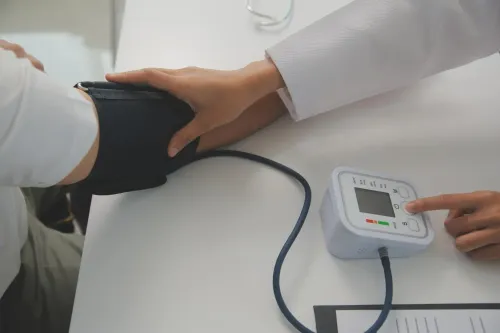
One high reading does not diagnose hypertension. Measure it correctly over several days so your clinician can distinguish sustained high pressure from white-coat or masked hypertension.
- Avoid caffeine, exercise and smoking for 30 minutes beforehand.
- Empty your bladder, sit quietly for five minutes, and keep both feet flat on the floor.
- Use a validated upper-arm cuff that fits your arm; keep the cuff on bare skin and support your arm at heart level.
- Take two readings one minute apart, morning and evening, and record the date, time, readings, symptoms and medicines taken.
- Bring the log and the monitor to an appointment if readings remain high or unexpectedly low.
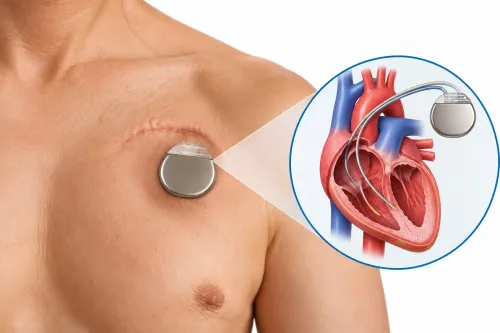
Take prescribed blood-pressure, cholesterol or antiplatelet medicines on schedule. Do not stop a statin because you feel well, or stop antiplatelet treatment after a coronary stent without the treating cardiologist’s advice. Do not start daily aspirin for general prevention without clinician review; bleeding can outweigh benefit in people without established cardiovascular disease.
Ask your clinician to review average home readings, smoking, diabetes, kidney function, cholesterol, weight, family history, sleep and missed doses. Seek emergency help for new or persistent chest pressure, breathlessness, sweating, nausea, fainting, or pain spreading to the arm, jaw or back.
Choose the Right Cardiac Test Instead of Booking Any Scan
A check-up decides which test, if any, fits your symptoms and risk. Booking a heart artery scan in Pune because it sounds comprehensive can expose you to unnecessary radiation, contrast or an invasive procedure.
| Option | What it answers | Main limitation or use |
|---|---|---|
| Check-up | Reviews symptoms, examination, blood pressure and risk factors | Chooses the next step; it does not show arteries |
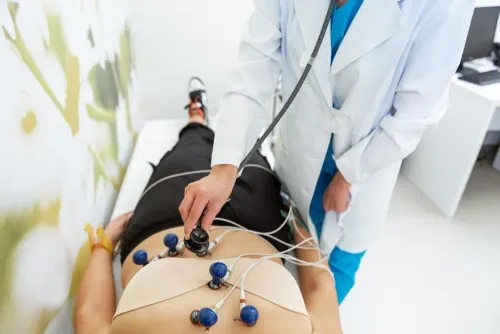
| ECG | Records the heart’s electrical rhythm at rest | A normal result does not exclude exertional blockage |
| TMT | Observes ECG, symptoms and blood pressure during exercise | Needs sufficient exercise capacity and can be inconclusive |
| Echocardiogram | Shows valves, chambers, pumping strength and blood flow | Does not directly map coronary blockages |
| Holter monitor | Records rhythm continuously for 24 hours or longer | Useful for intermittent palpitations or fainting, not artery imaging |
| Calcium scan | Estimates calcified plaque burden for selected symptom-free adults | Does not prove that a specific artery is critically narrowed |
| Coronary CT angiography | Uses contrast CT to show coronary lumen and plaque | Check kidney function, contrast reactions, rhythm and breath-holding ability first |
| Invasive angiography | Maps arteries through a catheter when precise anatomy or treatment may follow | Carries bleeding, contrast and radiation risks; it is not a routine check-up |
A normal CT angiogram does not explain every chest-pain cause, and heavy calcium can reduce image quality. New, severe or persistent pressure, breathlessness, sweating, nausea, fainting, or pain spreading to the arm, jaw or back requires emergency care, not outpatient scanning.
Understand Heart Blockage Treatment Options Before Choosing a Procedure
Medication is often the starting point when symptoms are controlled and blockage risk can be reduced without immediate revascularisation. Statins, blood-pressure treatment, diabetes control and prescribed antiplatelet medicines address future risk; do not start daily aspirin or stop post-stent antiplatelets without cardiology advice.
| Option | What it involves | When it is selected |
|---|---|---|
| Medication | Risk-factor treatment and symptom control | Stable disease, limited ischaemia, or when procedure benefit is small |
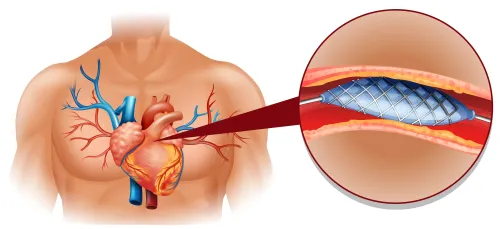
| Angioplasty with stent (PCI) | Balloon opens the artery and a stent supports it | A suitable focal blockage causing symptoms or significant ischaemia |
| Bypass surgery (CABG) | A graft routes blood around blocked arteries | Left-main or complex multivessel disease, especially with diabetes or reduced heart function |
These heart blockage treatment options in Pune are selected from symptoms, stress-test or imaging findings, artery anatomy, left-ventricular function, kidney disease, surgical risk and your preference. A stent is not automatically safer or more durable than bypass surgery.
For an elective procedure, ask the cardiologist to explain:
- Expected benefit and the alternative of medication
- Bleeding, kidney, stroke, infection and other procedure-specific risks
- Recovery time and required medication duration
- What happens if treatment is deferred
Bring ECGs, echocardiograms, CT images and reports, kidney-function results, a current medicine list and allergy history. The Heart Clinic - Dr. Satyajeet - 08048066834 can use these records to assess whether the proposed procedure fits your diagnosis; seek a second opinion when the diagnosis or recommendation remains uncertain.
Related service
Hypertension Treatment Hypertension, or high blood pressure, is dangerous because it can lead to strokes, heart attacks, heart failure, or kidney disease. View service → |
Know When a Heart Hole Needs Observation, Catheter Closure or Surgery
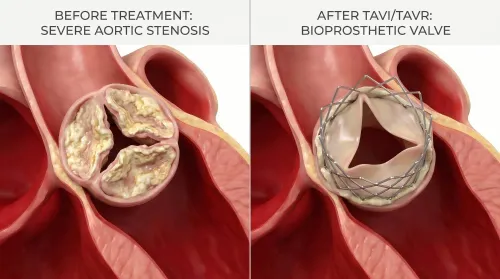
A “heart hole” can mean three different findings, so closure decisions depend on anatomy and its effect on the heart and lungs—not the word “hole” alone.
| Type | What it means | Usual approach |
|---|---|---|
| ASD | Opening between the atria; may enlarge right-sided chambers | Observe small defects; close significant secundum ASDs by catheter device when suitable, or surgery when anatomy is unsuitable |
| VSD | Opening between the ventricles; large defects can overload the lungs | Observe small defects; treat significant defects with catheter or, frequently, surgery |
| PFO | Flap-like fetal opening that remains between the atria | Usually no closure; consider closure after selected unexplained ischemic strokes |
Children need assessment when a murmur, poor growth, breathlessness, feeding difficulty, recurrent chest infections or low oxygen raises concern. Adults need review for exertional breathlessness, reduced exercise capacity, palpitations, enlarged heart chambers, pulmonary hypertension or an unexplained stroke. An echocardiogram measures the defect, blood-flow shunt and chamber strain.
Before heart hole closure in Pune, ask about observation, catheter closure and surgery, including benefits, complications, recovery and the risk of postponing treatment. Bring previous echocardiograms, ECGs, scans, medication lists and allergy details; seek a second opinion when the diagnosis or recommendation is uncertain.
Frequently asked questions
How can you build a weekly heart-health routine?
Target 150 minutes of moderate activity, such as brisk walking, across the week. Use five 30-minute walks or shorter 10-minute bouts when needed, and add regular sleep, meals, and medication routines.
How can you adapt Pune meals for better heart health?
Keep familiar foods while reducing added salt, deep-fried items, refined carbohydrates, and oversized portions. Add vegetables, pulses, fruit, whole grains, and appropriate protein rather than chasing perfection.
How should you measure blood pressure and review cardiovascular risk?
Rest quietly for five minutes, sit with your back supported and feet flat, keep your arm at heart level, and take two readings one minute apart. Record the date, time, readings, medicines, and symptoms for clinical review.
Which test should you choose for suspected heart artery disease?
The right test depends on symptoms, examination findings, risk factors, kidney function, and the clinical question. A doctor may consider an ECG, echocardiogram, exercise stress test, CT coronary angiography, or invasive coronary angiography rather than booking any scan automatically.
What heart blockage treatment options are available in Pune?
Treatment can include lifestyle changes and medicines, angioplasty with a stent, or coronary artery bypass grafting. The choice depends on the number, location, and severity of blockages, symptoms, heart function, and overall health.
Keywords