Fainting, dizziness, unusual fatigue, breathlessness and reduced exercise tolerance can signal that the heart is not delivering beats reliably enough for daily demands. The right evaluation distinguishes a rhythm problem that needs pacing from a temporary cause that calls for medication adjustment, observation or another treatment.
Key takeaways
- Seek urgent care for fainting with chest pain, severe breathlessness, or confusion.
- A cardiologist matches pacemaker type to the rhythm problem and heart’s needs.
- Follow wound-care and activity instructions before resuming exercise after implantation.
- Compare implanting cardiologists, hospital backup, device follow-up, and emergency access.
Which slow-rhythm symptoms and diagnoses need prompt assessment?
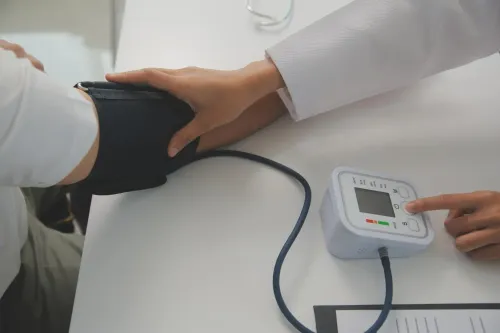
Fainting, near-fainting, dizziness, unusual fatigue, breathlessness, or a sharp drop in exercise tolerance warrants prompt assessment when your pulse feels slow or irregular. Seek emergency care for fainting with chest pain, severe breathlessness, or prolonged confusion; do not drive yourself.
A low number alone does not mandate a pacemaker. The key question is whether symptoms match documented bradycardia or a pause, after reversible causes such as medication effects, thyroid disease, electrolyte disturbance, sleep apnoea, or infection are considered.
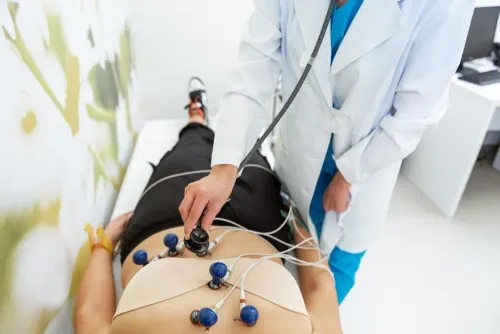
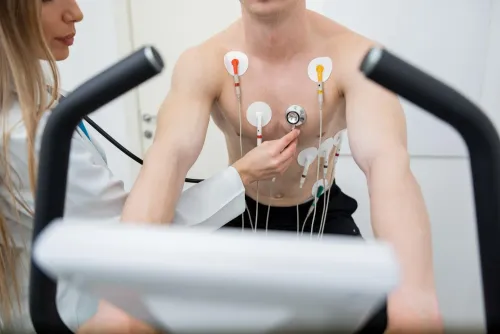
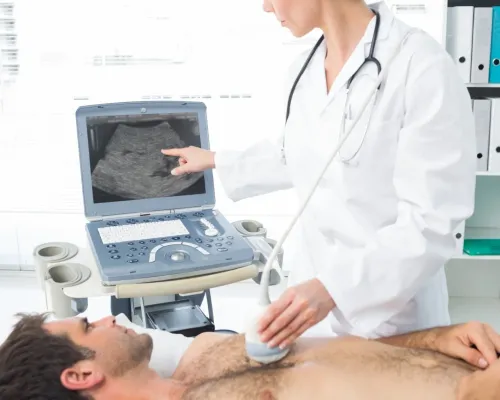
A 12-lead ECG may show the rhythm at one moment; a 24-hour Holter can miss an intermittent problem, so a longer patch or event monitor may be chosen. Echocardiography checks structure and pumping function, not the pause itself.
| Rhythm finding | What it means | When pacemaker treatment may be considered |
|---|---|---|
| Symptomatic bradycardia | Heart rate is too slow with symptoms | When symptoms correlate and no reversible cause remains |
| Sinus-node dysfunction or sick sinus syndrome | The natural pacemaker fails or pauses | When fainting, fatigue, or exercise limitation is linked to the rhythm |
| Heart block | Electrical signals fail between chambers | Especially with advanced or persistent block |
| Documented pauses | Heartbeat interruptions appear on monitoring | When timing and duration match symptoms or create significant risk |
Pacemaker Implantation Treatment in Pune is relevant only after this evidence-based assessment; observation, medication adjustment, or another rhythm procedure may be safer when the slow rate is not causing the problem.
How does a cardiologist decide whether implantation is necessary?
Implantation becomes preferable when documented bradycardia or heart block explains clinically important symptoms and no correctable cause remains. A low pulse alone is not enough: in sinus-node dysfunction, no minimum heart rate or pause duration automatically mandates a device. The key evidence is a documented match between the rhythm abnormality and the person’s symptoms.
The assessment usually includes these checks:
- A 12-lead ECG identifies persistent slow rhythms, conduction delays and certain types of heart block.
- Holter or longer event monitoring shows pauses, intermittent block and whether symptoms occur at the same time as the rhythm change.
- A 2D echocardiogram assesses heart structure and pumping function, which influences device selection and alternative treatment.
- A medication review checks rate-slowing drugs, including beta blockers, some calcium-channel blockers and digoxin.
- Blood tests check electrolyte disturbances and thyroid abnormalities.
- Evaluation for ischemia, infection and sleep-disordered breathing addresses reversible contributors before permanent pacing.
Observation or medication adjustment is more appropriate when the slow rate causes no symptoms, the rhythm finding is brief and low-risk, or a reversible cause is found. Treating that cause can restore an adequate rate without an implant.
High-grade or complete heart block that is not reversible often supports pacing even without obvious symptoms, while a pacemaker will not correct coronary blockage or explain fatigue caused by another condition.
Which pacemaker type is suitable, and what happens during implantation?
Device choice follows the rhythm problem, chamber coordination needed and venous access—not simply the slow heart rate.
| Type | Main design | Typical use |
|---|---|---|
| Single-chamber | One lead, usually in the right ventricle | Atrial fibrillation with slow ventricular rates or patients needing ventricular pacing only |
| Dual-chamber | Leads in the right atrium and right ventricle | Sinus-node disease or heart block when preserving atrioventricular synchrony matters |
| Biventricular | Leads pace both ventricles through a specialised system | Selected heart-failure patients with electrical dyssynchrony, to improve coordinated contraction |
| Leadless | A small generator sits inside the heart, without a chest pocket or transvenous lead | Selected patients needing compatible single-chamber ventricular pacing; it does not provide every dual-chamber or resynchronisation function |
A Pacemaker Implantation Cardiologist in Pune will match the system to your ECG, echocardiogram, vein access, infection risk and future imaging needs. Ask whether the proposed device is MRI-conditional and keep its identification card.
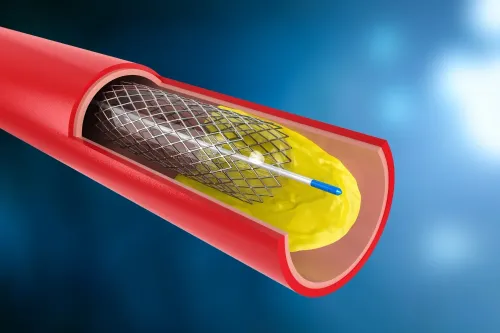
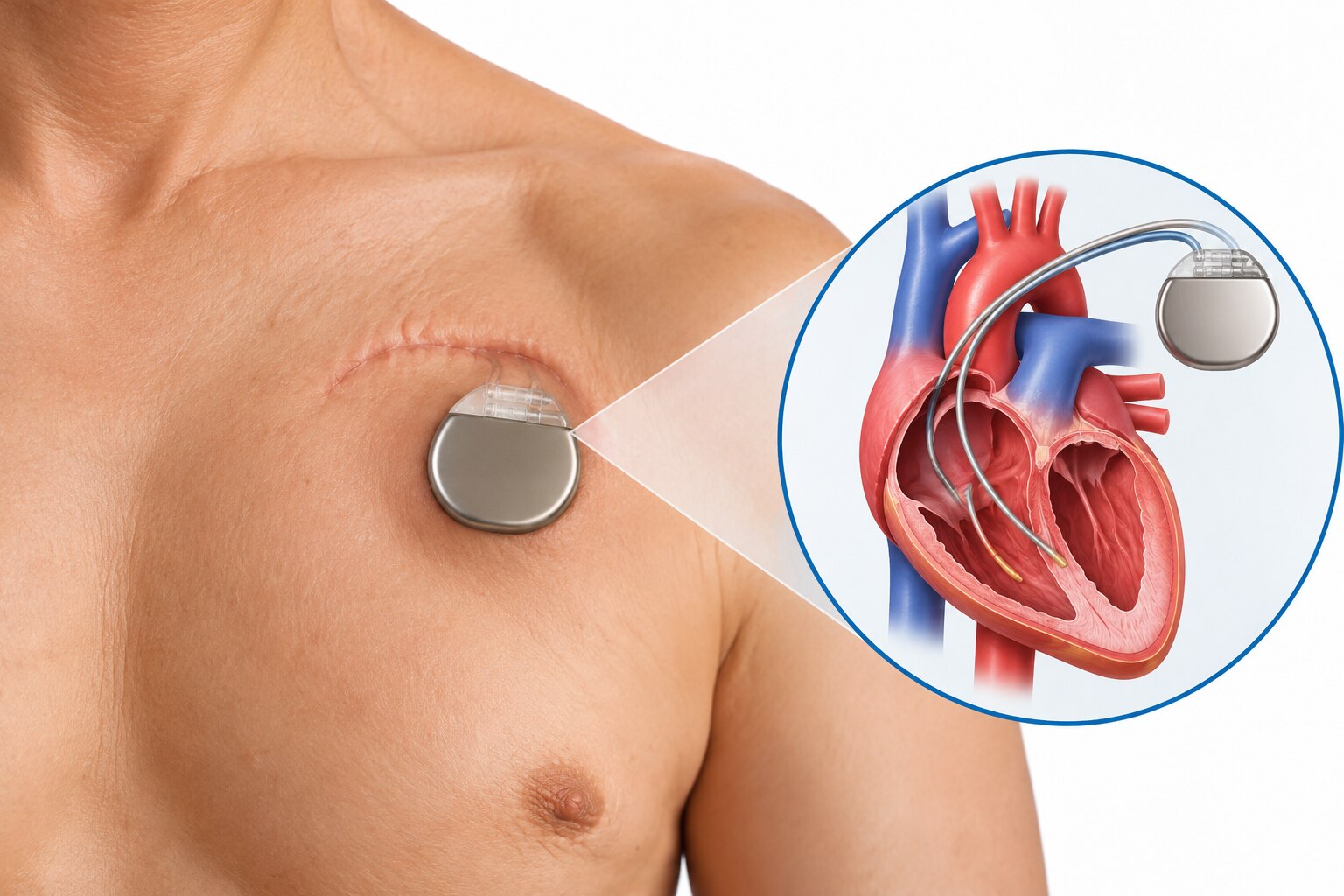
During conventional implantation, you receive local anaesthetic with sedation. The doctor makes a small incision below the collarbone, guides leads through a vein into the heart, tests their position and connects them to the generator beneath the skin. The procedure commonly takes about an hour.
Expect bruising or bleeding, infection, lead displacement, blood-vessel or heart injury and pneumothorax as possible complications. Hospital observation ranges from same-day discharge to overnight monitoring, depending on the system, medical condition and recovery. Before leaving, staff check the device, wound and chest imaging when needed, then provide follow-up and wound-care instructions.
How can pacing improve daily activity while keeping recovery safe?
Once the incision heals, pacing can raise a dangerously slow heart rate and improve dizziness, fainting, fatigue and exercise tolerance when those symptoms came from bradycardia. It will not open blocked coronary arteries, correct atrial fibrillation itself, or treat breathlessness caused by lung disease, anaemia or weak heart muscle.
- Keep the wound clean and dry as instructed; do not soak it until the implanting team permits this.
- Avoid heavy lifting and strenuous upper-body movement for the period specified by your team, commonly several weeks, so the leads can settle.
- Carry your device identification card and show it before an MRI. MRI is possible with an MRI-conditional system under an approved protocol, including device checks, programming and monitoring.
- Seek urgent medical help for fainting, severe breathlessness, chest pain or sustained palpitations. Contact the implanting team promptly for fever, spreading redness, warmth, drainage, worsening pain, marked swelling or a wound opening.
Attend the wound review and device check on the schedule you receive, even when you feel better. The team checks sensing, pacing thresholds, lead function, battery status and programmed rate, then adjusts settings for your activity. Ask whether remote monitoring is available and record the next interrogation date.
Keep the device card accessible during emergency care and imaging. Follow-up also includes planning for generator replacement before battery depletion; the timing depends on pacing use and the device model.
How should you compare pacemaker services in Aundh and Pune?
A nearby address matters only if it preserves access to qualified care. When comparing a Pacemaker Implantation Hospital Near Me, verify the implanting cardiologist’s experience with your rhythm problem, access to electrophysiology expertise, emergency support and a documented device follow-up pathway.
| Service | What to verify | Why it matters |
|---|---|---|
| Implant team | Named cardiologist’s experience with heart block, sinus-node disease or pauses | The right expertise reduces unsuitable device selection |
| Hospital support | Emergency care, infection-control procedures and lead or wound complication management | Problems need rapid treatment, not a distant referral |
| Device planning | Generator replacement schedule, lead checks and interrogation appointments | Pacemakers require lifelong monitoring |
| Imaging access | MRI-conditional status of the complete system, including generator and leads | MRI requires approved scanner conditions, programming and monitoring |
| Continuity | Written contact route and transfer process if you move or need urgent care | Records and settings must follow you |
Ask whether the centre can explain why implantation is preferable to adjusting rate-slowing medicines or treating thyroid, electrolyte, infection, ischaemia or sleep-related causes. Also ask who performs ECG, Holter monitoring and echocardiography, and where the procedure takes place.
A local cardiac clinic can organise this assessment, interpret rhythm records and coordinate hospital implantation while keeping device checks, wound review, programming and replacement planning nearby. The Heart Clinic - Dr. Satyajeet - 08048066834 can support that assessment and clarify which hospital will provide procedure and emergency services.
Keep your device identification card available before any MRI.
Related services
Pacemaker Implantation A pacemaker insertion is the implantation of a small electronic device that is usually placed in the chest (just below the collarbone) to help... View service → |
Holter Monitor If your heart seems to skip a beat, race, or work a bit too slow, you could have a condition known as arrhythmia. View service → |
Frequently asked questions
Which slow-heart symptoms need prompt assessment?
Seek prompt assessment for fainting, near-fainting, dizziness, unusual fatigue, breathlessness, or a sharp drop in exercise tolerance when your pulse feels slow or irregular. Seek emergency care for fainting with chest pain, severe breathlessness, or prolonged confusion, and do not drive yourself.
How does a cardiologist decide whether a pacemaker is necessary?
The cardiologist reviews your symptoms, pulse, ECG, rhythm-monitor recordings, medication list, and the cause of the slow rhythm. Implantation is considered when the rhythm problem explains symptoms or creates a significant risk that pacing can address.
Which pacemaker type might be suitable?
The choice depends on whether one or both chambers need pacing, how reliably your heart conducts electrical signals, and whether your heart needs coordinated contraction. Your cardiologist explains options such as single-chamber, dual-chamber, or biventricular pacing.
What happens during pacemaker implantation?
The team uses local anaesthesia and places the pulse generator under the skin near the collarbone, then guides one or more leads through a vein into the heart. Testing confirms sensing and pacing before the incision is closed.
How can you compare pacemaker implantation services in Aundh and Pune?
Compare the cardiologist’s experience with device implantation, hospital facilities, emergency support, infection-control process, device programming, follow-up schedule, and access to lead or battery management. Ask who will review your device after discharge and where urgent problems will be handled.
Related service
Arrhythmia Arrhythmia An arrhythmia describes an irregular heartbeat – the heart may beat too fast, too slowly, too early, or irregularly. |
Keywords