A blood-pressure number only becomes useful when you know how it was measured, whether it persists, and whether it signals an emergency. By following a reliable home-monitoring process, understanding how clinicians confirm hypertension, and comparing treatment and follow-up options, you can take timely action without changing medicines unsafely.
Key takeaways
- Repeat one high reading after five minutes of quiet rest.
- Use a validated upper-arm cuff at the same times each day.
- Seek emergency care for 180/120 mmHg with chest pain or neurological symptoms.
- Confirm persistent hypertension before setting a long-term treatment target.
Which blood-pressure readings need monitoring, treatment or emergency care?
A single high reading does not establish chronic hypertension. Stress, pain, caffeine, recent exercise, or the white-coat effect can raise it, so repeat the measurement correctly and confirm persistent elevation with home monitoring or 24-hour ambulatory monitoring.
| Category | Reading | What to do |
|---|---|---|
| Elevated | 120–129 systolic and below 80 diastolic | Monitor regularly and address lifestyle factors. |
| Stage 1 hypertension | 130–139 systolic or 80–89 diastolic | Arrange clinical review; treatment depends on repeated readings and cardiovascular risk. |
| Stage 2 hypertension | At least 140 systolic or 90 diastolic | Book medical assessment for confirmed readings and a treatment plan. |
| Hypertensive crisis | 180 systolic or 120 diastolic or higher | Repeat after at least one minute. If it remains this high without warning symptoms, seek urgent medical assessment. |
Call emergency services immediately when a repeated reading of 180/120 mmHg or higher occurs with chest pain, breathlessness, weakness or numbness, confusion, vision changes, difficulty speaking, or a severe headache. Do not wait for a routine appointment.
Blood pressure can be dangerously high without symptoms; feeling well does not prove control. Do not take extra tablets to correct a crisis unless a clinician has specifically instructed you. For Blood Pressure Treatment in Pune, ask which guideline and measurement setting are being used, because thresholds and targets differ.
How can you obtain reliable blood-pressure readings at home?
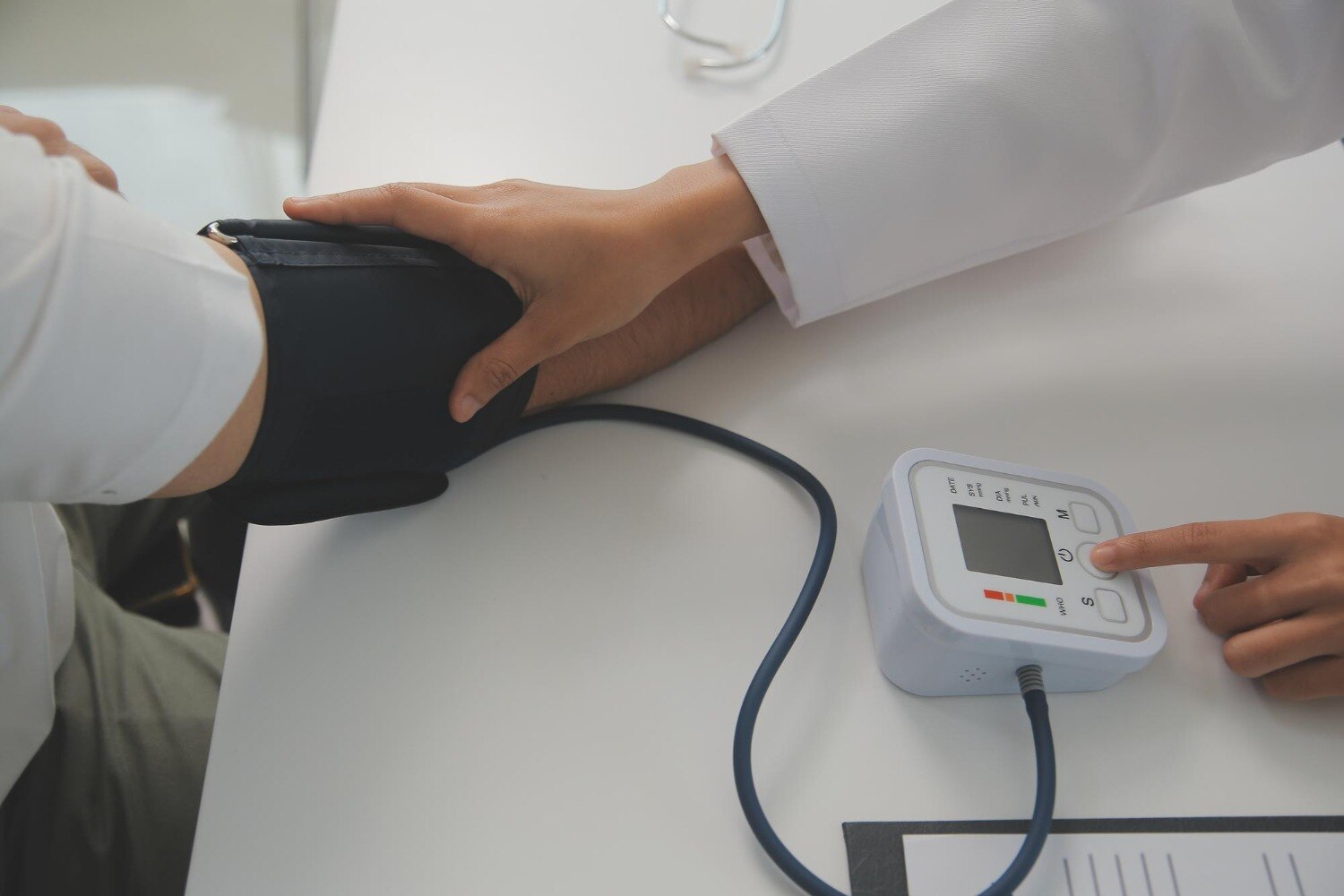
Use a validated automatic upper-arm monitor with a cuff that fits your arm. A cuff that is too small can falsely raise the result; one that is too large can distort it.
Before each session:
- Avoid caffeine, exercise and smoking for 30 minutes.
- Empty your bladder.
- Sit with your back supported and both feet flat on the floor.
- Rest quietly for five minutes.
- Support the cuffed arm on a table at heart level.
- Take two readings at least one minute apart.
Measure twice daily, once in the morning and once in the evening, for at least four days and ideally seven. Record the date, time, both readings, pulse, symptoms and medicines taken. Exclude the first day when calculating your average.
| Device | Reliability | Main limitation |
|---|---|---|
| Validated upper-arm monitor | Preferred for home use | Requires the correct cuff size and positioning |
| Wrist monitor | Less dependable | Position errors change readings quickly |
| Finger monitor | Least dependable | Sensitive to finger placement and circulation |
Bring the monitor to appointments so the clinician can compare it with a clinic device. Send a dated paper log or the device’s export file before the consultation, if requested. Home readings support clinical review; they do not replace it.
Whether you seek High Blood Pressure Treatment in Pune or elsewhere, a consistent log helps distinguish a temporary reading from a pattern and reduces treatment decisions based on faulty technique.
How do clinicians confirm hypertension and set a safe target?
A single high reading does not diagnose chronic hypertension. Clinicians repeat properly taken office readings, then confirm with structured home monitoring or 24-hour ambulatory blood-pressure monitoring (ABPM). Under the NICE example, a clinic reading of at least 140/90 mmHg is followed by an average daytime home or ambulatory reading of at least 135/85 mmHg.
| Pattern | What it means | How clinicians confirm it |
|---|---|---|
| White-coat hypertension | High in clinic, lower outside clinic | Home readings or ABPM are below the hypertension threshold |
| Masked hypertension | Normal in clinic, high at home or during daily activity | Home readings or ABPM reveal raised pressure |
| Sustained hypertension | High in clinic and outside it | Repeated office readings plus raised home or ABPM averages |
Thresholds depend on the guideline and measurement setting. ACC/AHA classifies an average systolic pressure of 130–139 mmHg or diastolic pressure of 80–89 mmHg as stage 1 hypertension, while NICE generally confirms hypertension from clinic readings of at least 140/90 mmHg. Ask which guideline and setting produced the number.
Targets are individualized. NICE usually aims for a clinic reading below 140/90 mmHg for adults under 80 and below 150/90 for adults aged 80 or over, with lower out-of-office targets. Frailty, postural symptoms, diabetes, kidney disease and cardiovascular disease can change the safest goal.
A Blood Pressure Hospital in Pune should explain your target, monitoring method and review date clearly.
Which treatment choices protect long-term cardiovascular health?
Long-term protection comes from matching treatment to more than the pressure reading. Age, diabetes, kidney disease, pregnancy, overall cardiovascular risk, current medicines and evidence of organ damage—such as urine albumin, reduced kidney function or heart changes—help determine the safest target and drug.
| Medicine | Main role | Important point |
|---|---|---|
| ACE inhibitor or ARB | Lowers pressure and protects some patients with kidney disease | Check kidney function and potassium after starting or changing the dose; avoid these drugs during pregnancy |
| Calcium-channel blocker | Relaxes blood vessels | Ankle swelling can occur |
| Thiazide-type diuretic | Removes excess sodium and fluid | Monitor fluid balance, sodium and potassium |
| Beta blocker | Slows the heart and reduces its workload | Usually chosen for a specific cardiac indication, not automatically for every patient |
Many adults need two or more complementary medicines. A single-pill combination can improve control and make adherence easier, but clinicians must account for kidney function, potassium levels, pregnancy and interactions.
Support treatment with:
- Less dietary sodium and a DASH-style pattern rich in fruit and vegetables
- A healthy weight and limited alcohol
- No tobacco
- Regular aerobic and muscle-strengthening exercise
These measures support High Blood Pressure Treatment in Pune but do not automatically replace prescribed medicine. Pressure uncontrolled on three appropriate, tolerated drugs should prompt checks of measurement accuracy, adherence, interfering substances and secondary causes.
Follow the prescribed plan, report side effects promptly, and never start, stop or change a dose without medical advice. Feeling well does not prove that pressure is controlled.
What should you verify when choosing ongoing blood-pressure care in Baner?
A facility label does not prove that a clinic provides complete hypertension follow-up. Compare a local clinic or Blood Pressure Hospital in Pune by asking these specific questions:
| Capability | What to ask | Evidence to look for |
|---|---|---|
| Measurement | Do you use a validated automatic upper-arm monitor with the correct cuff size? | Device validation and comparison with your home monitor |
| Out-of-office review | Is 24-hour ambulatory monitoring available, or will someone review a structured home log? | ABPM report or dated readings with an interpretation |
| Risk and organ checks | Do you check kidney function, urine albumin or protein, blood glucose or HbA1c, cholesterol, cardiovascular risk and organ damage? | Named tests, examination findings and a documented risk assessment |
| Treatment safety | Who reviews prescriptions, over-the-counter medicines, supplements and interactions? | A medication reconciliation and a plan for side effects or dose changes |
| Urgent care | What symptoms require same-day care, and where should I go after hours? | A written emergency pathway with contact instructions |
For someone seeking Blood Pressure Treatment in Pune, The Heart Clinic - Dr. Satyajeet - 08048066834 in Baner can be considered alongside other providers using these questions, not by its name alone.
At follow-up, bring your monitor and readings. Confirm your target and review date, ask which symptoms require same-day care, and keep monitoring even when you feel well; high blood pressure can remain unnoticed while treatment or organ-risk checks need adjustment.
Related service
Hypertension Treatment Hypertension, or high blood pressure, is dangerous because it can lead to strokes, heart attacks, heart failure, or kidney disease. View service → |
Frequently asked questions
Which blood-pressure readings need monitoring, treatment or emergency care?
Repeat a high reading after five minutes of rest. Persistent readings at or above 140/90 mmHg in a clinic or 135/85 mmHg at home need clinical assessment. A reading of 180/120 mmHg or higher requires immediate repeat measurement; seek emergency care if it remains high or occurs with chest pain, breathlessness, weakness, confusion, vision loss or severe headache.
How can you obtain reliable blood-pressure readings at home?
Use a validated upper-arm monitor with the correct cuff size. Avoid caffeine, smoking and exercise for 30 minutes, empty your bladder, sit quietly for five minutes, keep both feet flat and support your arm at heart level. Take two readings one minute apart and record the date, time and results.
How do clinicians confirm hypertension and set a safe target?
Clinicians review repeated office readings and may confirm hypertension with home monitoring or 24-hour ambulatory monitoring. They also assess cardiovascular risk, kidney function, diabetes, age, medicines and pregnancy before choosing an individual blood-pressure target.
Which treatment choices protect long-term cardiovascular health?
Treatment can include lower salt intake, regular physical activity, weight management, limited alcohol, better sleep and prescribed medicines. Take medicines consistently, do not stop them without medical advice, and report dizziness or other side effects.
What should you verify when choosing ongoing blood-pressure care in Baner?
Check whether the service provides clinician-led diagnosis, validated blood-pressure measurement, home or ambulatory monitoring, medication review, cardiovascular risk assessment and scheduled follow-up. Confirm how urgent readings and treatment side effects are handled.
Keywords